![[#~image_caption~#]](/_next/image?url=https%3A%2F%2Fd3klpa3rfwubzz.cloudfront.net%2Fmedia%2FAPI%20Uploads%2FWTD%2F804abb20e69cad973d5dc76a273db296_b224fb26ba.jpg&w=1920&q=75)
1 Definition
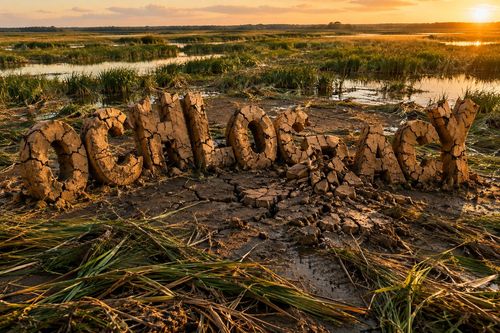
Wet, limp, and dirty from exposure to rain, mud, or rough conditions, giving a thoroughly disheveled or unkempt appearance.
2 In Use
By the time the tent finally collapsed in the downpour, we crawled out looking bedraggled, our sleeping bags soaked through.
3 Word Origin
be O.E. · intensifying prefix → draggle M.E. · to trail through mud → bedraggled 18th c. English
Bedraggled fuses the Old English intensifying prefix be, which attaches to a verb to sharpen or extend its meaning, with draggle, a Middle English word meaning to trail something through mud or wet ground. Draggle likely traces back to the same Germanic root as drag, echoing Old Norse draga. By the eighteenth century, English speakers had combined the two into bedraggled, a word specifically built to describe the soggy, dragged through the muck look that no single existing term quite captured.
💡Fun Fact
Jane Austen used bedraggled in her letters and novels to describe hemlines ruined by muddy country walks, a very real hazard for women in long skirts before paved roads were common. The word has stayed remarkably durable in casual speech precisely because it captures a very specific, universally recognizable state: not just wet, not just dirty, but wet and dirty in a way that looks genuinely pitiful. It shows up constantly in descriptions of storm chasers, marathon finishers, and anyone who has lost a fight with an umbrella. Its close cousin, draggle-tailed, once described a person whose skirts dragged in filth, but that older form has largely faded from everyday use, leaving bedraggled to do all the work.