1 Definition
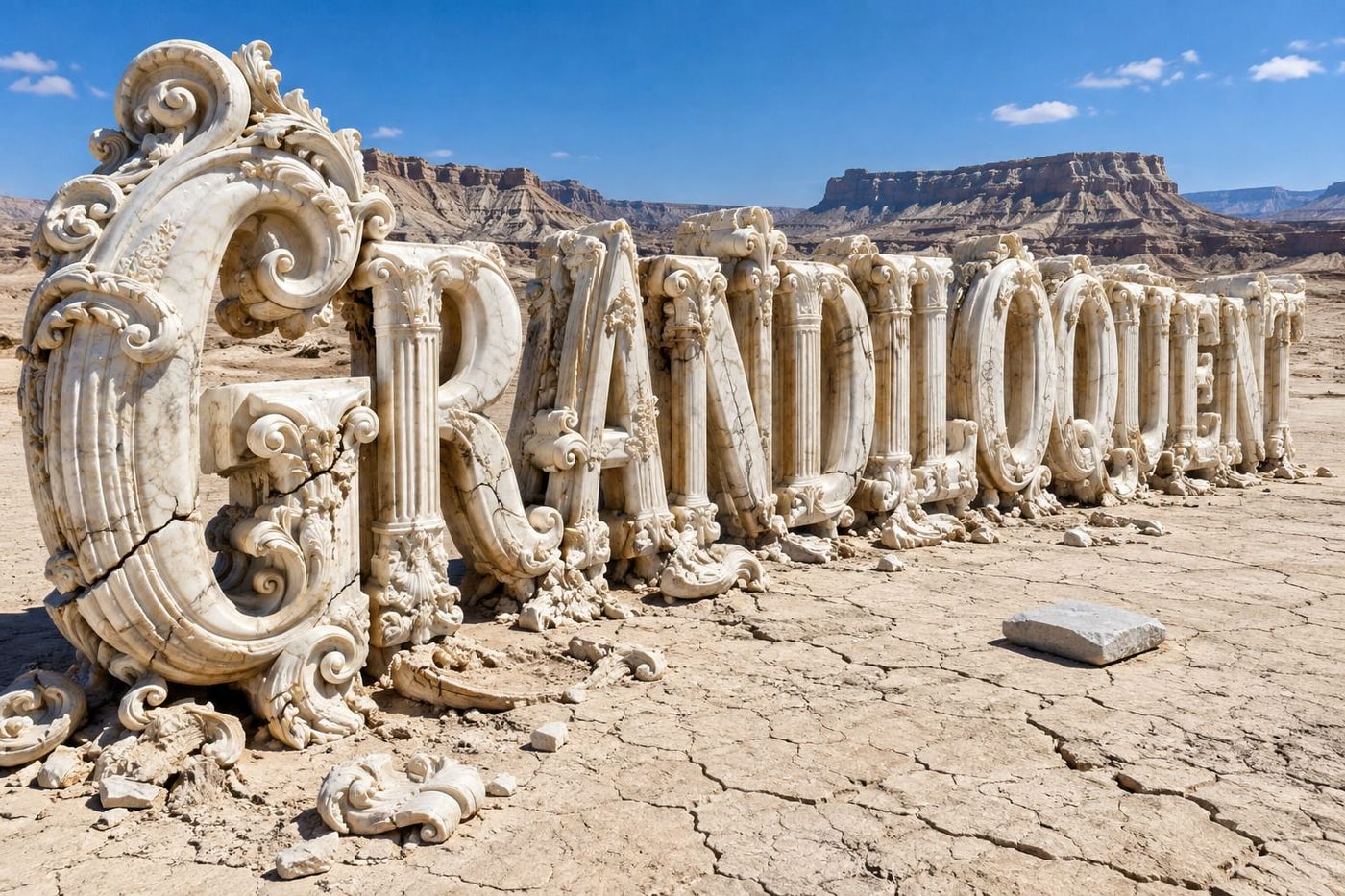
Speaking or expressed in a lofty, pompous, or extravagantly high flown style, often more concerned with sounding impressive than with clarity.
2 In Use
The CEO's grandiloquent opening remarks promised a revolution, but the quarterly numbers told a much smaller story.
3 Word Origin
grandis Lat. · grand, great → loqui Lat. · to speak → grandiloquent 16th c. English
Grandiloquent fuses two Latin building blocks: grandis, meaning grand or great, and loqui, meaning to speak. Latin speakers had already combined these into grandiloquus to describe a lofty, booming style of oratory, and English borrowers adopted the word almost wholesale in the sixteenth century. Over time it drifted from a neutral description of elevated speech toward a gently mocking label for language that reaches for grandeur it hasn't earned.
💡Fun Fact
Grandiloquent has a close cousin in magniloquent, built the same way but swapping in magnus for grandis, and the two words are essentially interchangeable in meaning and in the faint note of mockery they carry. Writers have long used grandiloquent as a critic's weapon, aimed at politicians, preachers, and pundits whose inflated phrasing outpaces their actual substance. The word pairs naturally with bombastic and pompous, but it carries a slightly more literary flavor, often showing up in reviews of speeches, novels, or press releases that try too hard to impress. It's a useful word for anyone who has sat through a toast, a eulogy, or a keynote that could have said the same thing in half the words.